
May 11, 2026
How to Buy a Used Yanmar Marine Engine: 10-Point Inspection Checklist
How to Buy a Used Yanmar Marine Engine: 10-Point Inspection Checklist
Buying a used marine engine is not like buying a used car. You can't just look at the body and kick the tires. A Yanmar diesel that looks clean on the outside could have serious problems inside. And when you're out at sea, there's no roadside help.
This checklist is for buyers who want to do things right. It works for the Yanmar 6LAAK-DT, 6LX-ET, and 6AYM-WET — the most common used Yanmar engines on the market today.
1. Check the Running Hours
Running hours are like the odometer of a marine engine. More hours = more wear. But here's the thing — a well-maintained engine with high hours can still outlast a poorly cared-for engine with low hours.
General ranges to look for:
- Yanmar 6LAAK-DT: 8,000–12,000 hours is normal working life
- Yanmar 6LX-ET: 6,000–10,000 hours
- Yanmar 6AYM-WET: 10,000–15,000 hours (heavy commercial use)
If the seller says "only 2,000 hours" on a 20-year-old engine, ask to see the logbook. Low hours on an old engine can actually mean it sat unused for years — which causes its own problems.
2. Check the Oil
Pull the dipstick. The oil should be dark brown or black — that's normal for diesel engines. What you don't want to see is:
- Milky or gray oil — This means water or coolant is getting into the oil. Likely a head gasket problem. Walk away.
- Metal flakes — Internal damage. Expensive to fix.
- Oil level too low — Engine could be burning oil, or there's a leak.
Smell the oil too. If it smells burnt, the engine has been overworked.
3. Inspect the Cooling System
Overheating is the #1 cause of marine engine damage. Check these three things:
- Raw water impeller: This rubber part wears out over time. Ask when it was last changed. If the seller doesn't know, that's a warning sign.
- Heat exchanger: Look for scale buildup or corrosion inside. A blocked heat exchanger causes overheating.
- Thermostat: Ask if it's been tested recently. A stuck thermostat will kill an engine fast.
Also check all the hoses and clamps around the cooling system. Salt water is tough on rubber and metal.
4. Inspect the Turbocharger
If the engine has a turbo (the 6LX-ET and 6AYM-WET both do), do this simple test: grab the turbo shaft and try to move it up and down. A tiny bit of play is okay. A lot of play means the bearings are worn — turbo replacement is not cheap.
Also look for:
- Oil leaks around the turbo housing
- Damaged or bent blades on the compressor wheel
A bad turbo = black smoke, power loss, and eventually engine damage.
5. Check for Smoke from the Injectors
Start the engine and watch the exhaust. A small puff of black smoke when you first fire it up is normal. But if you see:
- Heavy black smoke under load — injectors are worn, fuel isn't burning properly
- White smoke — water in the combustion chamber (serious problem)
- Blue smoke — burning oil (piston rings or turbo seals)
Injectors can be replaced, but the cost adds up. Always factor this into your offer.
6. Check the Fuel System
A dirty fuel system causes hard starting, rough running, and injector damage. Ask the seller:
- When were the fuel filters last changed? (Primary and secondary both)
- Is the lift pump working properly?
- Have the injectors been serviced or tested?
Look at the fuel tank too if you can. Dirty, rusty, or water-contaminated fuel is a hidden problem that will damage an otherwise good engine.
7. Do a Compression Check
This is the most technical check on this list, but it's worth it. A compression test tells you the condition of the cylinders, piston rings, and valves. Low compression on any cylinder = reduced power and higher fuel consumption.
Ask the seller for compression test results. A reputable dealer will have this on file. If they don't have it, you can request a test before purchase.
Minimum values vary by model — ask a Yanmar-certified mechanic to interpret the numbers for you.
8. Check the Gearbox and Reverse Gear
Shift the engine into forward, neutral, and reverse while it's running. The transition should be smooth and positive. If you hear:
- Clunking or grinding — gear or clutch plate damage
- Slow engagement — worn clutch
- No reverse — serious gearbox problem
A gearbox overhaul is expensive. Make sure it works before you buy.
9. Visual Inspection — Look for Rust and Salt Damage
Walk around the whole engine and look for:
- Corrosion on the exhaust manifold — this is common in saltwater environments, but heavy pitting is a red flag
- White salt deposits — shows where water has leaked and dried
- Cracked or broken mounts — rough running or heavy vibration causes this
- Oil stains on the block — signs of existing leaks
A little surface rust is normal. Deep corrosion that's been painted over is not.
10. Do a Test Run — Full Power, Not Just Idle
This is the most important step. An engine can idle fine but fail under load. Ask for a full test run:
- Cold start — does it start easily?
- Warm up for 10–15 minutes
- Bring to full throttle and hold for a few minutes
- Listen for knocking, watch for smoke, feel for vibration
If the seller refuses a test run, that's a serious red flag.
One More Thing: Ask for Service Records
A used engine with full service records is worth more — and lower risk. Ask for:
- Engine logbook (hours, service dates)
- Last oil change and filter change dates
- Any major work done (turbo, injector, overhaul)
If there are no records, price it accordingly.
Frequently Asked Questions
How many hours is too many for a used Yanmar marine engine?
It depends on the model and maintenance history. A Yanmar 6LAAK-DT with 10,000 hours and full service records can be a better buy than one with 5,000 hours and no records. Always check the condition, not just the numbers.
Can I buy a used Yanmar engine without a test run?
We strongly advise against it. A test run — especially at full load — reveals problems that visual inspection can't catch. It's the single most important check you can do.
What is the most common problem with used Yanmar marine engines?
Cooling system issues, especially a worn raw water impeller. It's cheap to replace but gets ignored often, and overheating from a bad impeller causes expensive damage fast.
Where can I find used Yanmar 6LAAK-DT, 6LX-ET, or 6AYM-WET engines for sale?
We carry inspected used Yanmar marine engines in stock. Browse our listings for the Yanmar 6LAAK-DT, Yanmar 6LX-ET, and Yanmar 6AYM-WET, or contact us for an inspection report.
Browse our inspected Yanmar inventory or [contact us](/contact) to request a full inspection report before you buy.
Related Articles
May 11, 2026
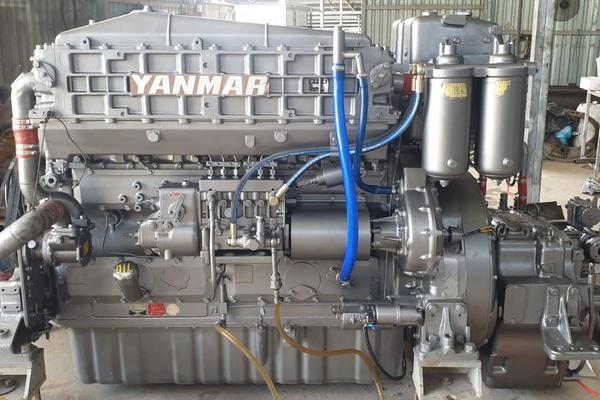
Yanmar 6LAAK-DT 400PS: The Workhorse Engine for Mid-Size Fishing Boats
The Yanmar 6LAAK-DT 400PS is one of the most common fishing boat engines in Southeast Asia. Here's why so many vessel operators choose it, what it can do, and what to watch for when buying used.
May 11, 2026
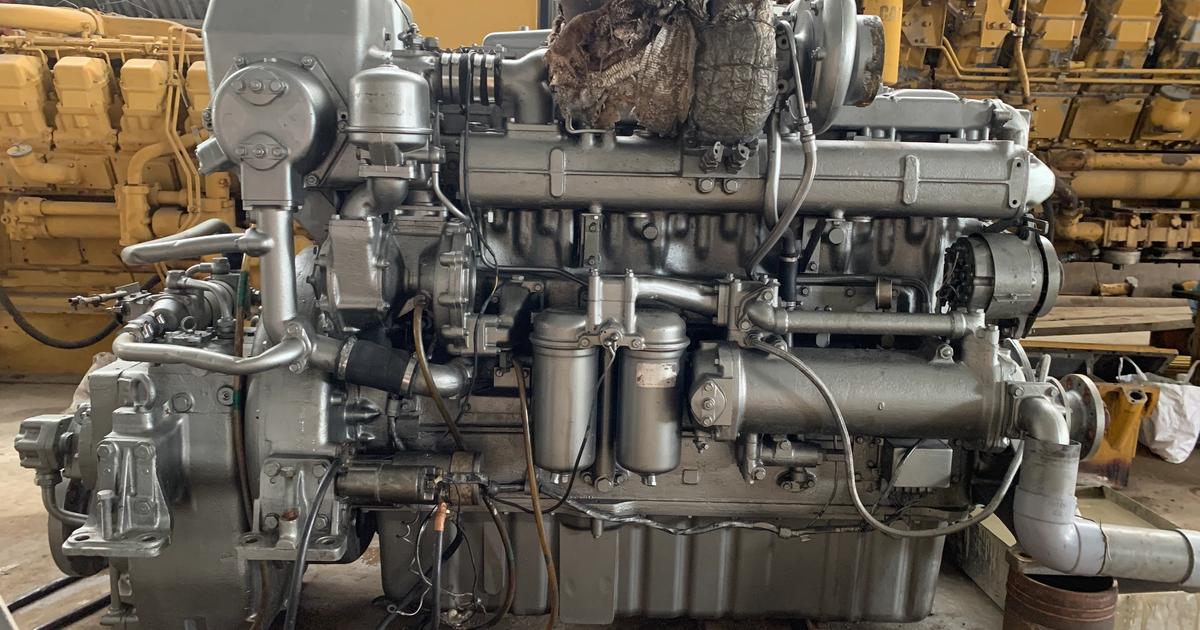
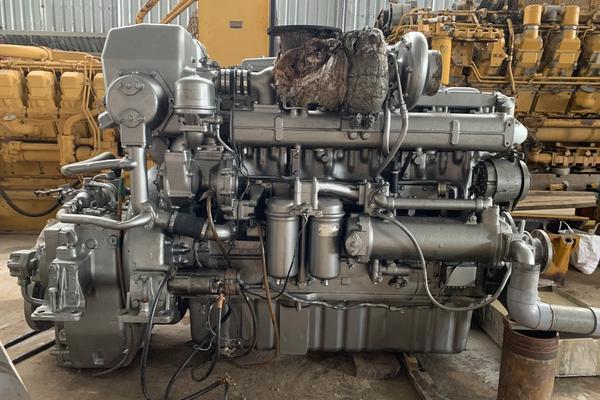
How to Buy a Used Yanmar Marine Engine: 10-Point Inspection Checklist
Buying a used Yanmar marine diesel engine? Don't skip these 10 checks. This guide walks you through what to look at — from running hours to test runs — before you put down your money.